Pet care
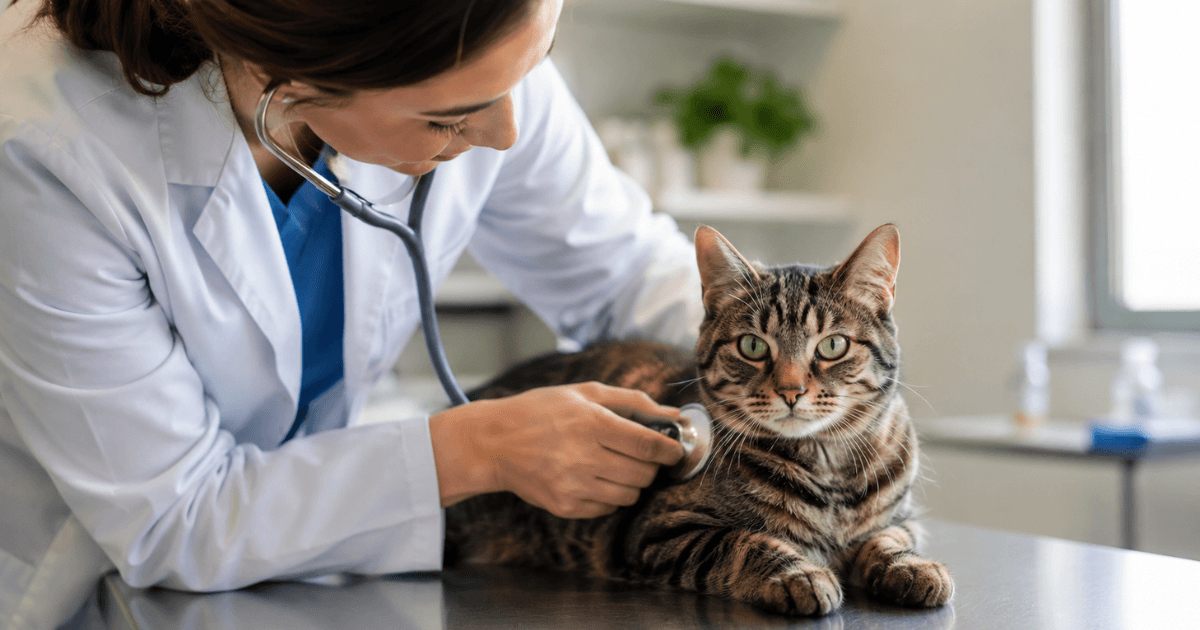
How to Prepare for Your Pet's Annual Wellness Exam
A practical guide to getting the most out of your pet's yearly checkup, from what to track beforehand to what to ask.
The appointment reminder pops up on your phone: “Annual wellness exam, Tuesday, 2pm.” You confirm it, and then… you show up and hope for the best. No notes, no questions written down, nothing tracked since last year’s visit. Ten minutes later, you’re driving home, realizing you forgot to mention the limp you noticed last month.
An annual exam is one of the few times a vet gets a full, unhurried look at your pet when nothing is actively wrong. That makes it valuable, but only if you walk in with something more than “he seems fine.”
Why the annual exam matters more than it feels like it does
Pets are experts at hiding subtle changes. A little more thirst, a little less energy, a pound or two of weight change - none of it looks urgent day to day, but a vet trained to spot patterns can catch something early precisely because they’re not just reacting to a crisis.
Weight trends reveal issues long before symptoms show up Bloodwork baselines give your vet something to compare against later Behavior changes you’ve half-noticed are worth saying out loud Dental health is often overlooked until it’s painful
The exam is only as useful as the information you bring into the room.
What to track in the weeks before
You don’t need a medical degree to prepare well. A short list goes a long way:
Weight, if you have a home scale or note it from the last visit Appetite and water intake, especially any recent changes Energy level, compared to a few months ago Bathroom habits, including anything unusual Any new bumps, limps, or behavior shifts, even minor ones
Questions worth asking at the exam
Vets appreciate specific questions more than a vague “does he look okay?” Consider asking:
Is my pet’s weight in a healthy range for their breed and age? Are there vaccines or boosters due before the next visit? Should we run bloodwork this year, and why or why not? Is there anything about their behavior worth watching more closely? Keeping the exam from becoming a blur
Vets cover a lot of ground in a short appointment, and it’s easy to walk out remembering half of what was said. This is where having your pet’s ongoing weight and health notes already organized helps - PawCare AI’s weekly health reviews give you a running picture to bring into the exam room instead of trying to recall everything from memory.
Frequently asked questions
How often does my pet actually need a wellness exam?+
Is a wellness exam different from a sick visit?+
What if I can't remember when something started happening?+
The bottom line
An annual wellness exam works best as a conversation, not a formality. Show up with a few weeks of honest observations, a short list of questions, and you’ll get far more out of those fifteen minutes than a routine once-over.
Keep reading
Jul 29, 2026
Free Printable Pet Medication Log (Plus a Digital Upgrade)
A free printable medication log for tracking your pet's doses, plus an easier digital way to never miss one.
Jul 26, 2026
How to Transfer Your Pet's Medical Records to a New Vet
Switching vets? Learn what pet medical records to request, how to send them to a new clinic, what to keep for yourself, and how to avoid missing history.
Jul 20, 2026