
Vaccines & Health
What Happens If Your Dog Misses a Vaccine Booster?
Missed your dog's vaccine booster? Learn what may happen next, what to do now, and why the right next step depends on the vaccine and your dog's history.
You check the reminder, or your vet’s office calls, and suddenly you realize it: your dog’s vaccine booster was due days or weeks ago.
Before you panic, here’s the important part: a missed booster doesn’t automatically mean your dog is in immediate danger, and it doesn’t automatically mean every vaccine has to be restarted.
What happens next can depend on the specific vaccine, how long it’s overdue, your dog’s previous vaccination history, and your veterinarian’s recommendation.
Here’s what to do now, what “restarting” can actually mean, and how to make sure the next date doesn’t quietly disappear into a calendar or paper record.
Is a Missed Vaccine Booster an Emergency?
Usually, the first thing people want to know is whether they need to panic.
A vaccine booster being overdue doesn’t automatically mean something bad happens the moment the original due date passes. But it also isn’t something to ignore indefinitely.
The right next step depends on details such as:
- Which vaccine was missed
- How long ago it was due
- Your dog’s previous vaccination history
- Your dog’s age and health situation
- Your veterinarian’s recommendation
Some situations may simply require scheduling the next appointment. Others may need a closer review of your dog’s records.
The safest approach is simple: find the vaccination record, identify what was missed, and ask your veterinary clinic what they recommend.
Does My Dog Need to Restart Their Vaccines?
This is one of the biggest worries after missing a booster.
The answer isn’t automatically yes or no.
A missed date doesn’t necessarily mean your dog’s entire vaccination history suddenly disappears. But the correct approach can vary depending on the vaccine involved, the time since the last dose, and your dog’s individual history.
That’s why it’s better not to make the decision based only on a calendar date or something you read online.
Your vet can review the specific vaccine and your dog’s records, then tell you what needs to happen next.
Don’t assume “overdue” automatically means “start from the beginning.”
It may be much simpler than that - but the exact answer should come from the veterinary professional handling your dog’s care.
What Should I Do If My Dog’s Vaccine Is Overdue?
Don’t spend hours searching online trying to work out the exact answer first.
Start with these simple steps:
- Find your dog’s vaccination record - check paper certificates, emails, photos, or previous vet records.
- Identify which vaccine is overdue - the specific vaccine matters.
- Check the last recorded date - this gives your vet useful context.
- Contact your veterinary clinic - explain that the booster was missed and ask what they recommend.
- Follow the plan they give you - rather than trying to recreate a schedule yourself.
If you no longer have the paperwork, don’t panic. Your previous veterinary clinic may still have records on file.
Why the Type of Vaccine Matters
Not every vaccine serves the same purpose or follows exactly the same recommendations.
That’s why a missed booster shouldn’t automatically get a one-size-fits-all answer.
Some vaccines may be part of your dog’s core care, while others may be recommended based on lifestyle, location, travel, boarding, or other risk factors.
If you’re unsure why a particular vaccine was recommended, our guide to core vs. non-core vaccines can help explain the difference.
The goal here isn’t to turn this article into a complete vaccine guide. It’s simply to explain why your vet may need to consider the specific vaccine before recommending what happens next.
What If You Don’t Know When Your Dog’s Last Vaccine Was?
This is more common than people think.
Maybe you changed vets. Maybe the paper certificate disappeared. Or maybe you know your dog had a vaccine, but you can’t remember exactly when.
Start by checking:
- Previous veterinary clinics
- Email confirmations
- Paper vaccination certificates
- Photos or scans of old records
- Boarding, travel, or adoption paperwork
Even partial information may help your veterinarian understand your dog’s history.
If you still can’t find the record, contact your vet and explain what information you do have. They can advise you on the appropriate next step.
How to Avoid Missing the Next Booster
The best time to organize your dog’s vaccine records is right after you realize how easy it is for one date to get lost.
A simple system can make a big difference:
- Keep every vaccine record in one place.
- Record the date as soon as the vaccine is given.
- Keep a copy of certificates or supporting documents.
- Set a reminder before the next due date.
- Review upcoming health tasks occasionally instead of relying on memory.
You don’t necessarily need a complicated system.
A calendar can work. A spreadsheet can work. A folder of records can work.
The important thing is having one reliable place to check when you need an answer.
For puppies, keeping track of multiple appointments can be especially important, so you can also review our puppy vaccine schedule guide for a broader look at the typical timeline.
Keep your dog’s vaccine dates in one place
Record vaccinations, keep health information organized, and get reminders so upcoming care dates are easier to keep track of.
The Bottom Line
Missing a vaccine booster doesn’t automatically mean you need to panic or assume your dog’s entire vaccination schedule has to start again.
The best next step is to identify which vaccine was missed, check your dog’s previous records, and contact your veterinarian for guidance.
And once you know the plan, keep the next date somewhere you can actually find it.
Because the long-term solution isn’t trying to remember every appointment.
It’s having a system that makes the answer easy to check.
Keep reading
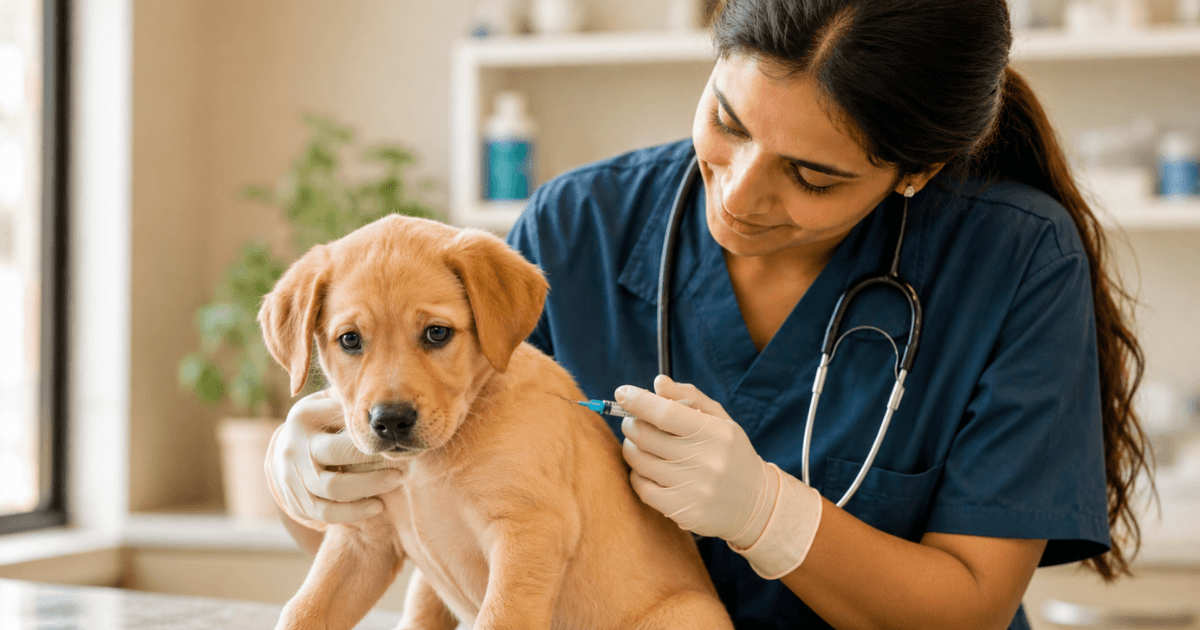
Jul 21, 2026
Puppy Vaccine Schedule: Complete Month-by-Month Timeline with Costs (2026)
Complete puppy vaccine schedule from 6 weeks to 1 year. Vet-approved timeline, costs, and what each vaccine protects against.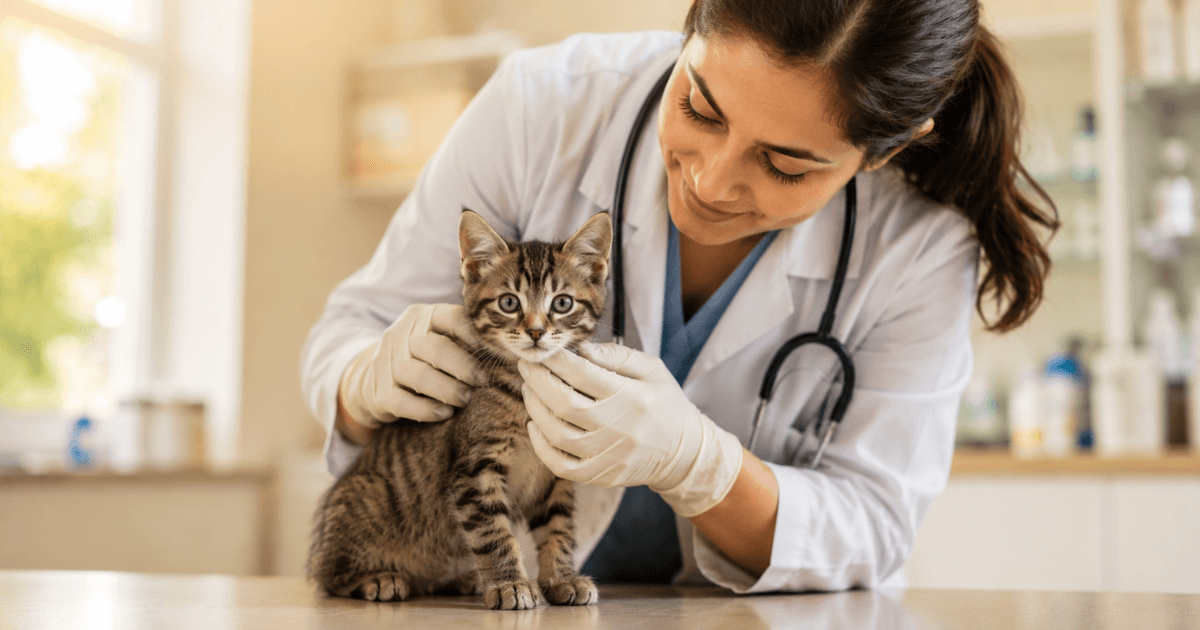
Jul 22, 2026
Kitten Vaccine Schedule: Complete Timeline for New Cat Owners (2026)
Complete kitten vaccination guide from 6 weeks to adulthood. Indoor vs outdoor, booster timing, and cost breakdown.
Jul 23, 2026